Climate resilience isn’t just an environmental issue anymore.
It’s about keeping cities running, businesses operating, and people earning when the weather turns extreme.
Floods, heatwaves, water stress, grid failures: these are no longer “once in a decade” shocks. They’re becoming part of the operating environment for infrastructure, supply chains, and daily life.
That shift is creating a new opportunity:
Resilience is becoming an investable market, not just a policy goal.
This newsletter tracks where value is being built: in buildings, energy systems, and livelihood protection and why private capital is starting to pay attention.
The Growing Financial Impact of Climate Risk
Physical climate risk is now a demonstrable factor on corporate balance sheets. In 2025 alone, global economic losses from natural disasters are estimated to be between $220 and $260 billion. Events once deemed rare are now recurrent sources of large-scale disruption to supply chains, infrastructure, public finances, and property markets.
The insurance sector directly reflects this trend:
- Premiums are rising in high-risk zones.
- Coverage is becoming more selective.
- Pricing is increasingly tied to effective asset protection.
These market signals are making resilience spending – such as investments in protective infrastructure and asset hardening – a mandatory economic and operational decision, rather than a discretionary climate measure. The below image shows a sharp rise in global annual designations under the FORTIFIED building standard, which strengthens buildings against severe weather events.
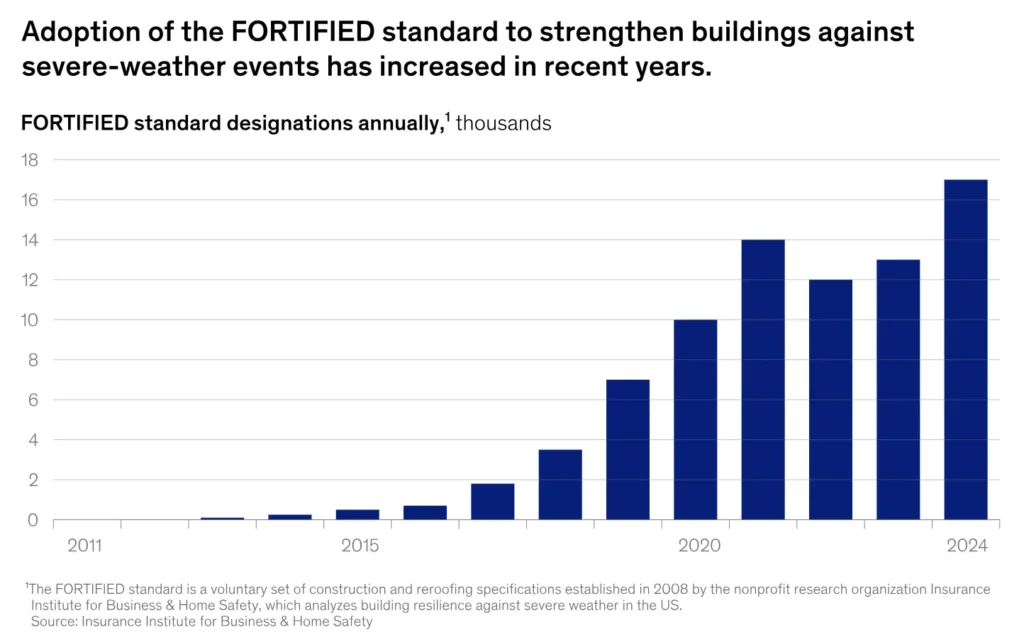
Source: McKinsey
A Trillion-Dollar Market for Resilience Technologies
A vast market is emerging around technologies including infrastructure, equipment, software, and financial tools designed to protect assets and mitigate physical climate risk-driven economic losses. The key market opportunities are detailed below:
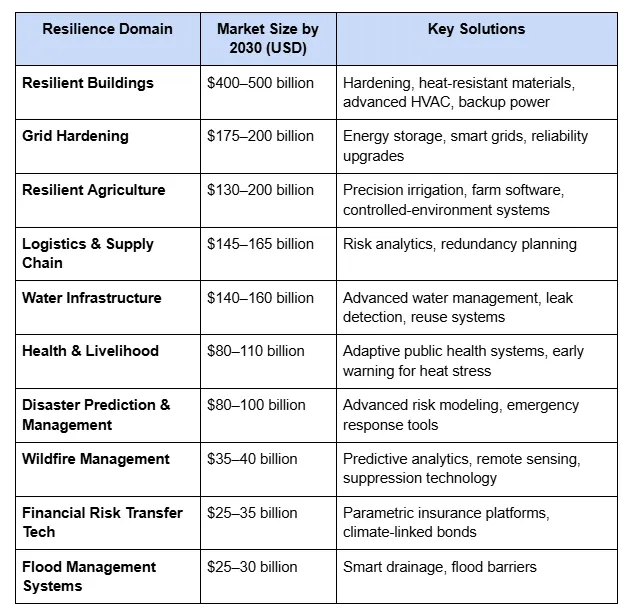
Doubling Down on the Top 5 Sectors Driving This Market Opportunity
Resilient Buildings
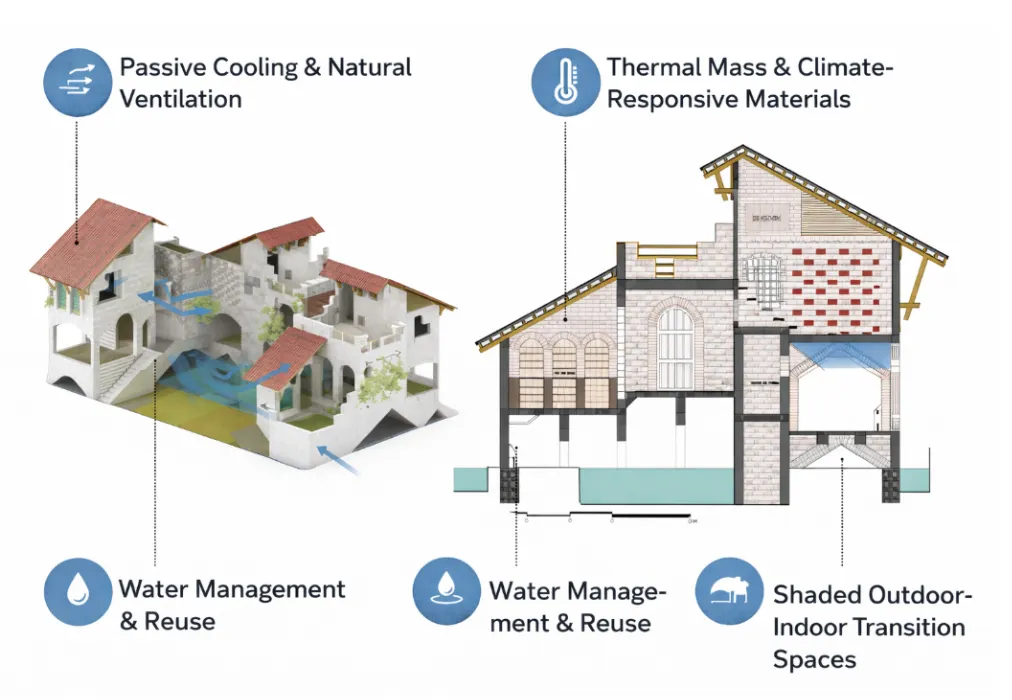
Sectional view of a climate-resilient building showing passive cooling, elevated structure, and durable envelope designed to withstand heat and flooding.
Market by 2030: $400–500B
Where people live and work is where climate damage hits first.
Focus areas:
Flood-resistant design and elevation
Heat-resistant materials and cool roofs
Innovative and environmentally friendly HVAC for extreme temperatures
Backup power for continuity
Resilience Enabling Technologies: Sensors, Building management systems, smart controls, energy optimization software, Advanced HVAC
Grid Hardening
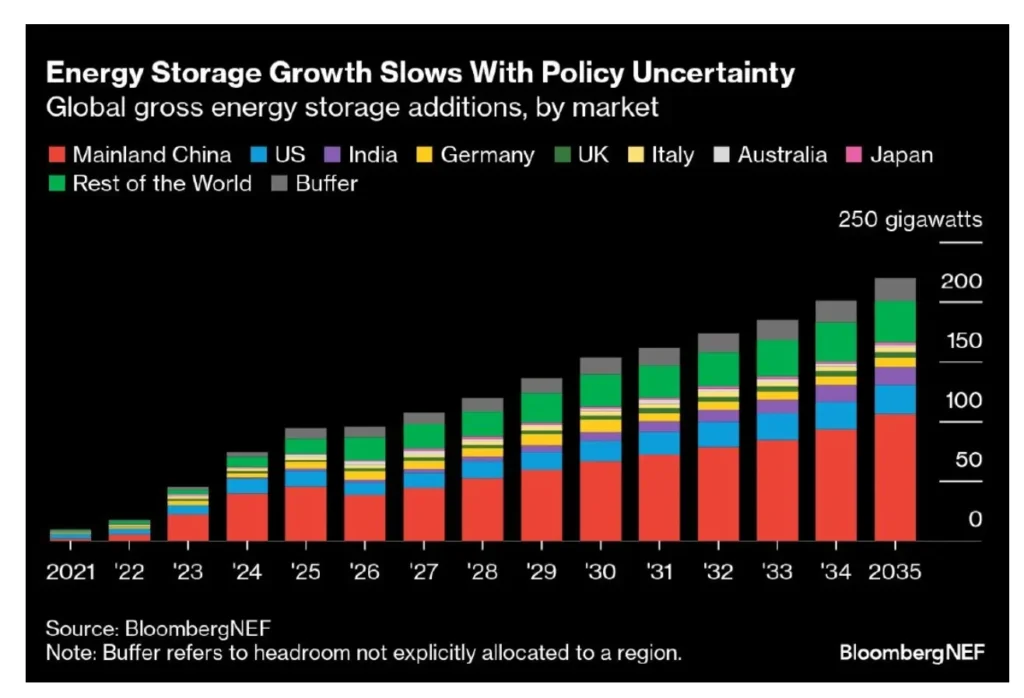
Global energy storage capacity continues to scale despite policy uncertainty, highlighting storage as a structural requirement for grid stability.
Source: BloombergNEF
Market by 2030: $175–200B
Extreme weather is now a major cause of outages.
Focus areas:
Energy storage
Smart grids and automation
Distributed power and microgrids
Infrastructure upgrades
Resilience Enabling Technologies: Grid monitoring platforms, AI load balancing, outage prediction systems
Resilient Agriculture
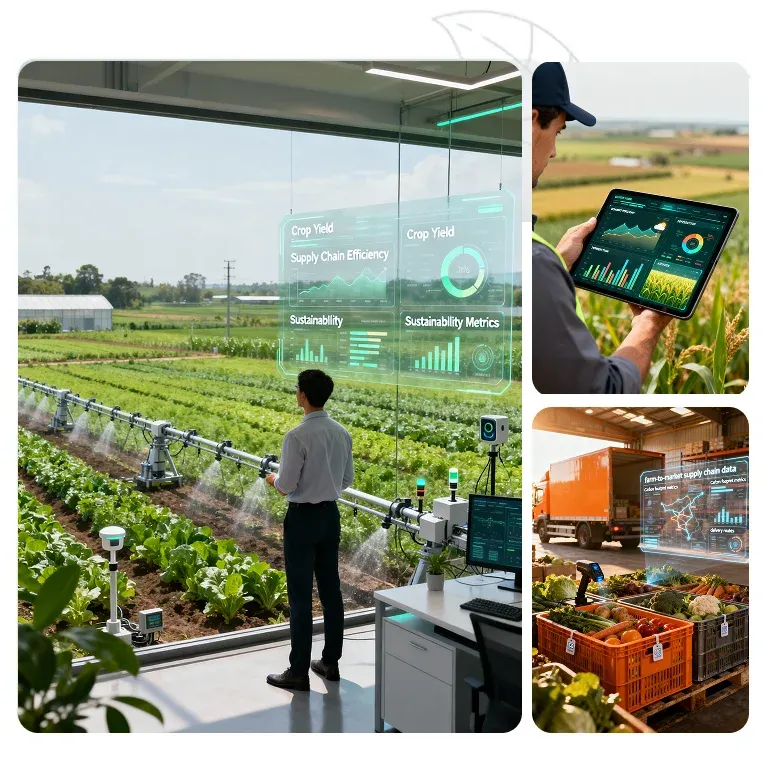
Source: CropIn
Market by 2030: $130–200B
Climate stress shows up as lower yields and unstable incomes.
Focus areas
Precision irrigation
Climate-adaptive seeds
Farm management software
Greenhouses and controlled environments
Resilience Enabling Technologies: IoT soil sensors, satellite crop monitoring, farm analytics platforms
Logistics & Supply Chain
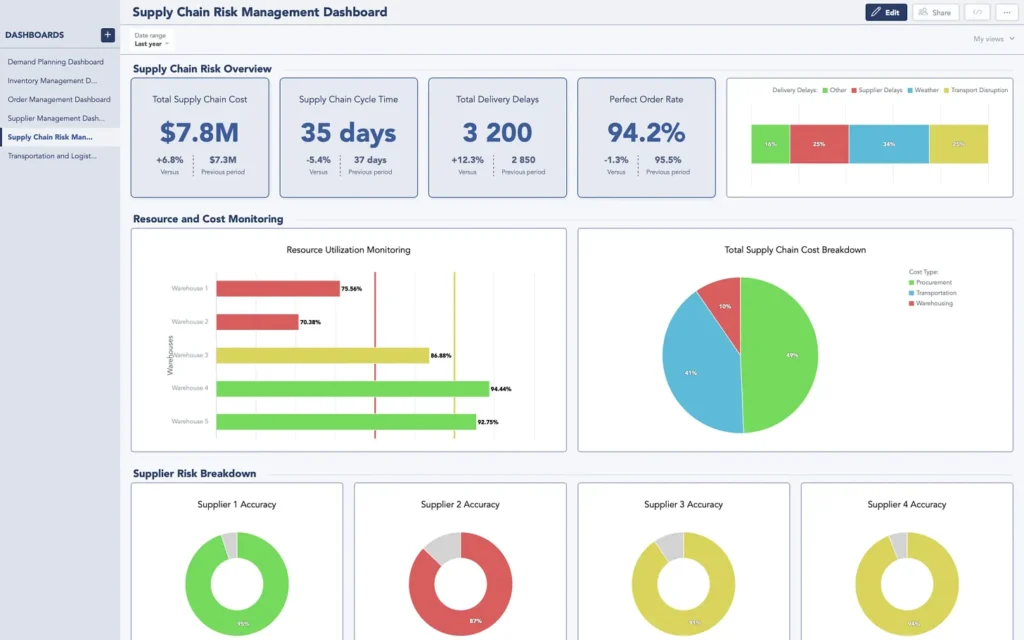
Source: GoodData
Market by 2030: $145–165B
Climate events now disrupt movement of goods.
Focus areas
Risk analytics
Redundant warehousing
Climate-aware logistics software
Resilience Enabling Technologies: AI route optimization, digital twins, real-time risk dashboards
Water Infrastructure
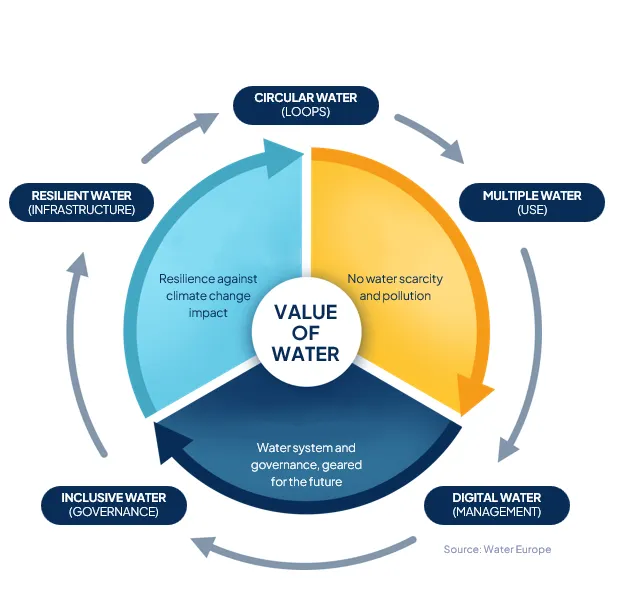
Climate resilience starts with integrated water systems that combine circular use, digital intelligence, and resilient infrastructure.
Source: Water Europe
Market by 2030: $140–160B
Droughts and extreme rain are stressing systems.
Focus areas
Smart water networks
Leak detection
Water reuse
Flood control
Resilience Enabling Technologies: IoT meters, predictive leak analytics, digital water management platforms
Companies Building the Resilience Stack Globally
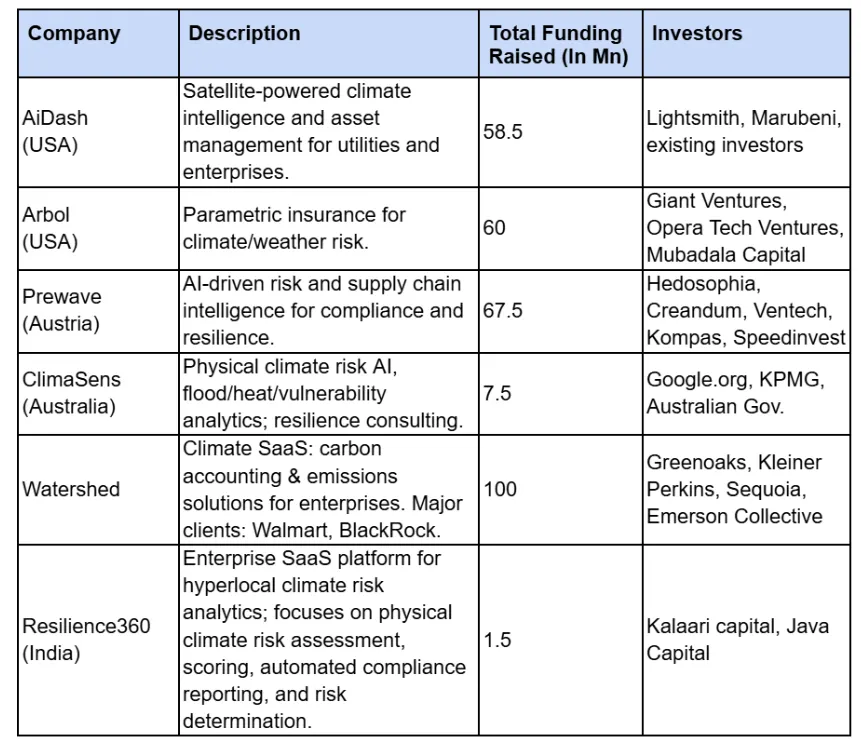
As technology and capital converge across key sectors, the next decade will see resilience become a foundational layer of economic growth and long-term value creation.
Ostara in the News
1. Our Founder, Vasudha Madhavan shared expectations for Union Budget 2026 in an ET Now Business News segment, outlining key policy priorities to accelerate India’s EV ecosystem. The discussion focused on strengthening manufacturing, battery sourcing, charging infrastructure, and demand-led incentives to support sustainable mobility growth. Check out the video here.

2. In her article published in Manufacturing Today on 21 January 2026, Vasudha examined the growing strategic importance of rare earth magnets in powering the green transition and reshaping global supply security. Check it out here.
3. Vasudha was quoted in The Hindu BusinessLine (6 January 2026), highlighting how EPR-linked processing fees and recovered materials are emerging as the most durable value drivers in India’s EV battery recycling market. Read the article here.
4. Vasudha’s guest article, published in Businessworld on 7 January 2026, explores the next wave of transformative climate-tech trends shaping the climate economy: including hard-to-abate decarbonisation, biofuels, electric mobility, circularity, climate adaptation technologies, and innovative climate finance. Check it out here.